
Don’t Get Tricked by Low-Cost Quotes: 5 Hidden Pitfalls When Sourcing an OEM Wind Chime Manufacturer
Executive Summary: For B2B buyers, a low-cost quote from an OEM wind chime manufacturer often signals hidden compromises in material integrity and acoustic precision. To avoid high return rates, prioritize suppliers who utilize 6061-grade aluminum, UV-stabilized industrial cords, and digital frequency calibration. This guide reveals how to audit a factory beyond the sample stage to ensure long-term durability and brand reputation.
Table of Contents
The “Price Trap” in Wind Chime Sourcing: What You Aren’t Being Told
In the global sourcing market, a suspiciously low price from an OEM wind chime manufacturer is rarely a result of “efficiency”—it is almost always a result of material substitution. Many discount factories utilize recycled scrap aluminum or low-density alloys that lack structural resonance. While a sample may look acceptable on a desk, these materials fail to produce the sustained vibration required for a premium sound experience. At Dionysus Artcrafts, we understand that for a professional buyer, the cheapest unit cost becomes the most expensive mistake when it leads to mass product recalls and tarnished retail partnerships. True value lies in the balance of metallurgical excellence and lean manufacturing.
Pitfall #1: The Illusion of Tuning (Acoustic Deception)
A common deception among low-end suppliers is claiming a product is “hand-tuned” when, in reality, tubes are simply cut to a standard length without any frequency verification. A professional OEM wind chime manufacturer must treat every chime as a musical instrument. Without digital acoustic analysis, factors like tube wall thickness variance can cause the pitch to drift, resulting in “clashing” notes rather than harmonious scales. We ensure your customers receive a product that provides genuine sound healing and relaxation.
Pitfall #2: The “Rust Surprise” – Surface Treatment Shortcuts
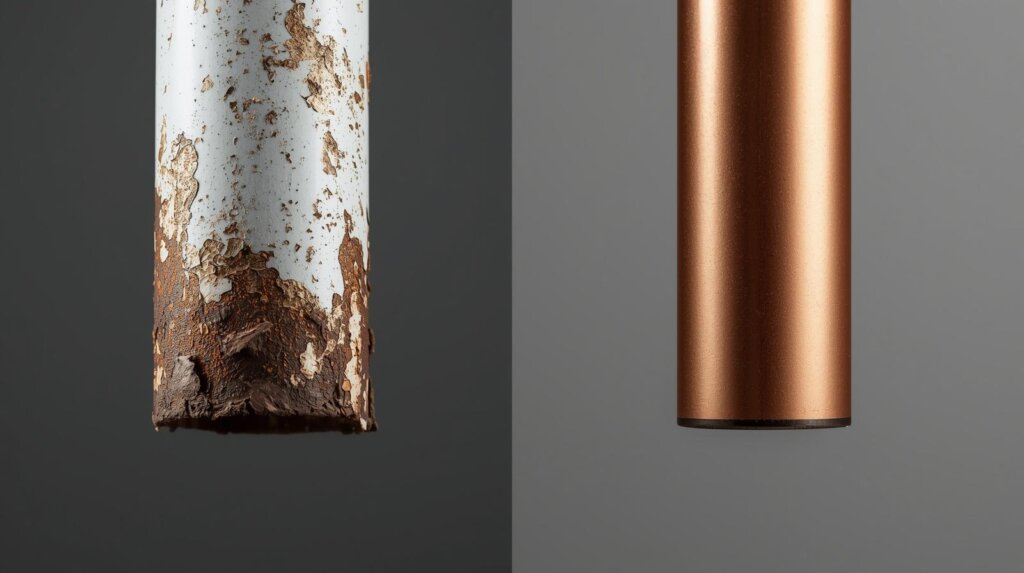
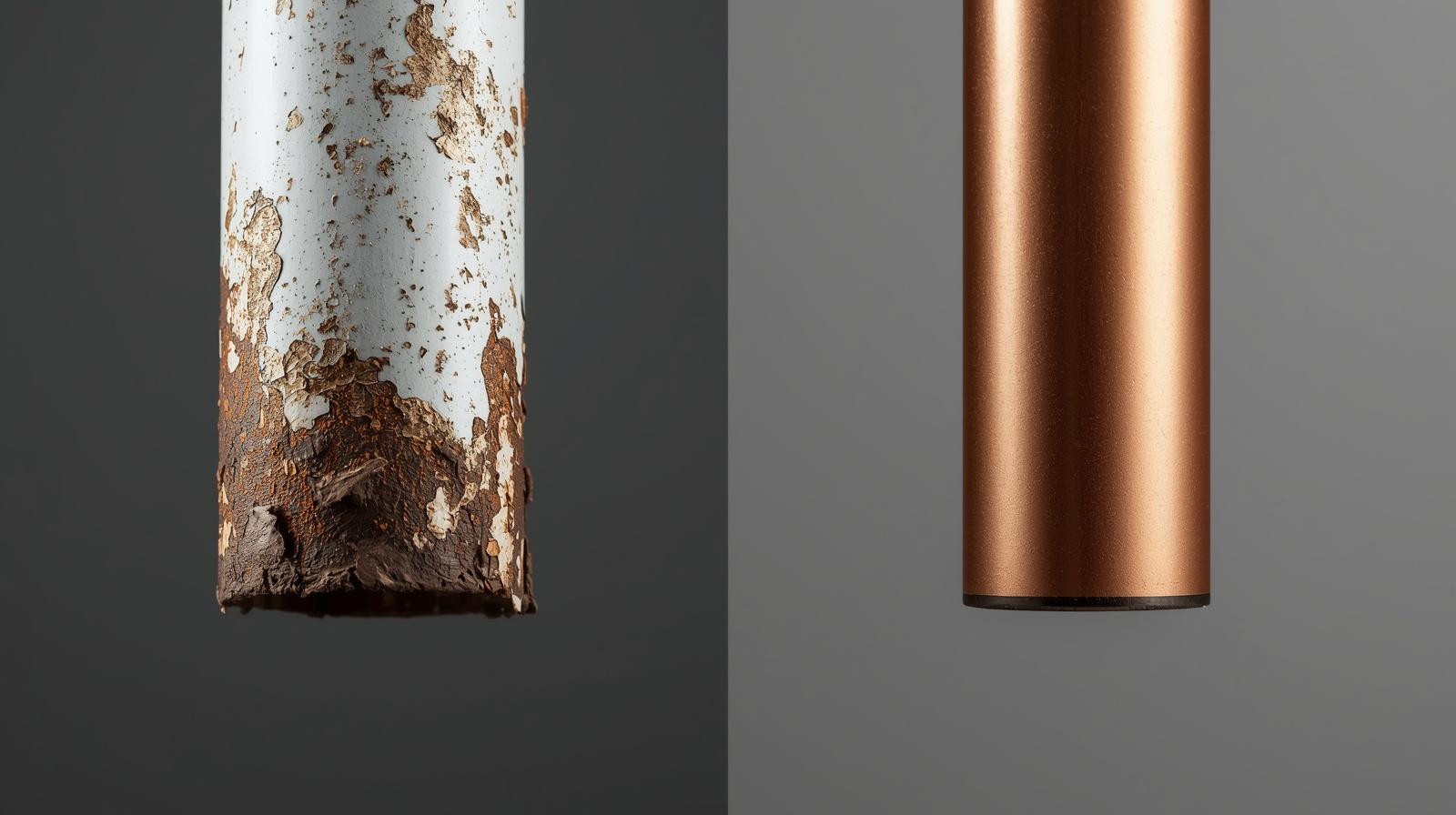
Weather resistance is where many OEM wind chime manufacturer partners cut corners to save on chemical costs. Standard spray painting or thin electroplating will inevitably flake or oxidize within one season of outdoor exposure. For high-end garden decor, the industry benchmark is either anodizing or high-micron powder coating with salt-spray testing.
Surface Finish Durability Comparison
| Feature | Standard Spray Paint | Anodizing (Dionysus Standard) | High-Micron Powder Coating |
| Rust Resistance | Low (Peeled in 3-6 months) | Exceptional (Molecular Bond) | High (Impact Resistant) |
| UV Stability | Poor (Fades rapidly) | Excellent (Permanent Color) | Very High |
| Acoustic Impact | Dampens sound vibration | Zero (Preserves Resonance) | Minimal |
| Typical Use | Low-end souvenir shops | Professional B2B/Retail | High-End Garden Decor |
Pitfall #3: Structural Failure – The Weakness of Strings and Wood
The longevity of a wind chime is dictated by its weakest link—usually the cord or the wooden canopy. Many factories use standard nylon string that degrades under UV exposure, leading to “dropped tubes” after a few months. Furthermore, using non-treated pine or rubberwood often results in warping or cracking in humid climates. As a specialized OEM wind chime manufacturer, Dionysus Artcrafts utilizes UV-stabilized braided nylon (capable of supporting 5x the chime’s weight) and high-density, FSC-certified hardwoods finished with outdoor-grade sealants to withstand the harshest environmental conditions.
How to Audit a Wind Chime Factory Like an Expert
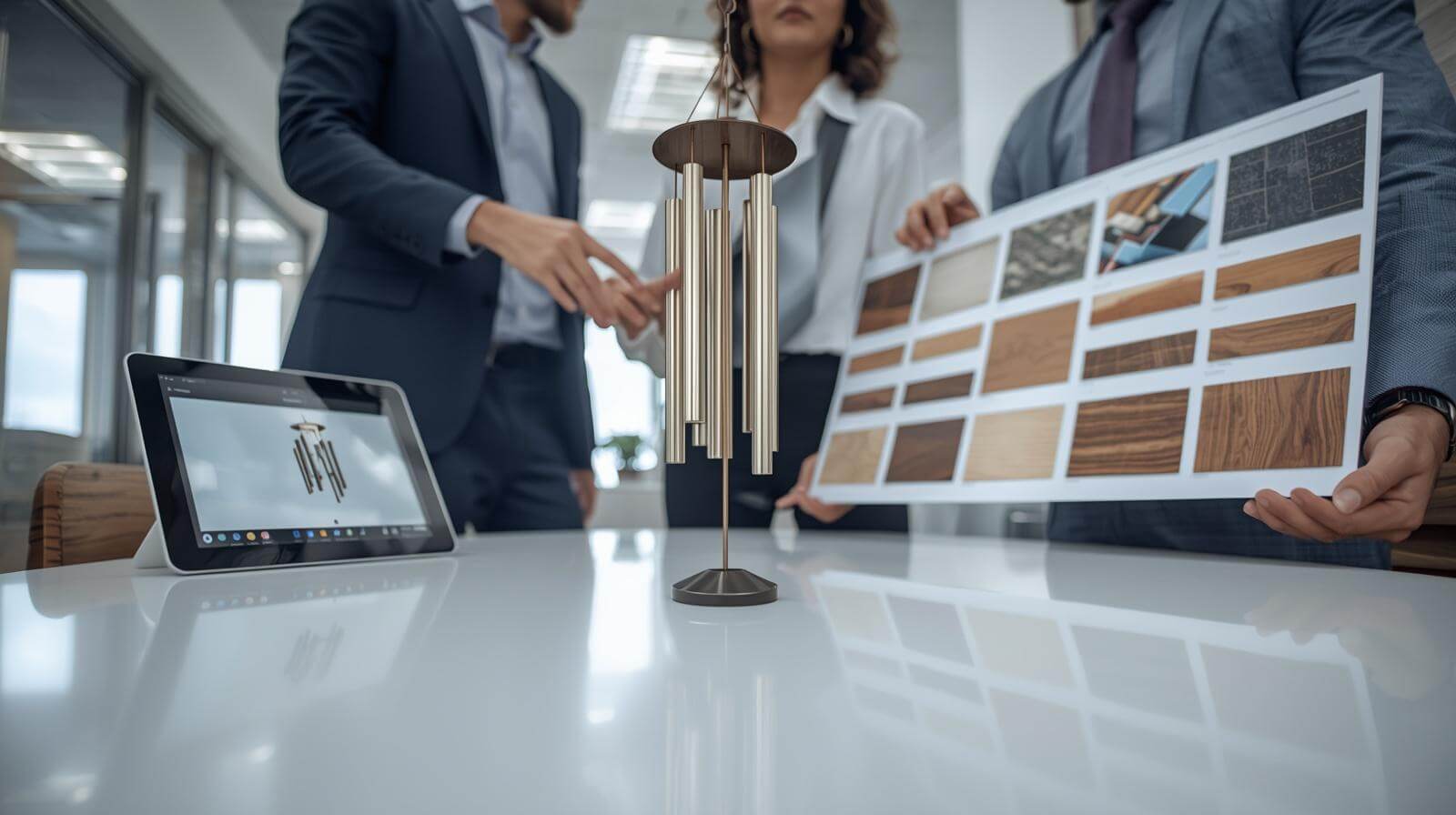
When evaluating a potential OEM wind chime manufacturer, move beyond the catalog and ask for technical proof. A reputable partner should be able to provide:
Acoustic Reports: Documentation of the decibel range and frequency accuracy for each batch.
Salt Spray Test Results: Evidence that the metal finishes can withstand 48 to 96 hours of accelerated corrosion testing.
Sustainability Compliance: Certifications for wood sourcing (FSC) and non-toxic powder coatings (REACH/RoHS).
Mass Production Consistency: Ask how they manage wall thickness tolerance in aluminum extrusion—a key factor in sound quality.
Frequently Asked Questions
How can I tell if a wind chime is truly tuned to a specific scale?
A professional manufacturer should provide a frequency chart. You can verify this using any digital tuner app; a premium chime will stay within around 10 cents of the target note.
What is the industry standard for outdoor weather resistance?
The gold standard is 6061-T6 aluminum combined with a minimum of 60-80 microns of powder coating or a Grade 2 anodized finish.
What are the typical lead times for bulk OEM orders?
While it varies by complexity, a reliable OEM wind chime manufacturer typically requires 45-60 days to ensure proper seasoning of wood and meticulous acoustic testing.
Conclusion: Quality is the Best ROI
In the world of B2B garden decor, your brand is only as reliable as your supplier’s craftsmanship. Choosing a high-end OEM wind chime manufacturer like Dionysus Artcrafts ensures that your products don’t just sit on a shelf—they create a lasting sensory experience that drives repeat business and minimizes the logistical nightmare of quality claims.
Ready to elevate your product line with precision-engineered sound?
Contact Dionysus Artcrafts today for a Quality Benchmark Report and our 2026 Custom Catalog.