
Sound Therapy in 2026: How Modern Sound Healing Tools Are Transforming Relaxation, Sleep, and Mental Wellness
Table of Contents
Why Sound Therapy Is Gaining Momentum in 2026
In 2026, wellness is no longer about doing more—it’s about regulating a nervous system that has been stretched thin by constant alerts, endless screens, and chronic mental overload.
What makes 2026 different is the convergence of ancient sound healing practices with modern self-guided lifestyles.
A practical starting point many practitioners recommend is a 5-minute daily sound pause—using a bowl, chime, or ambient tone—to signal the nervous system that it’s safe to slow down. This simple habit explains why sound healing has crossed from niche practice into mainstream wellness.
What Is Sound Therapy? A Modern Definition for 2026
Sound Therapy vs Music Therapy — What’s the Difference?
Sound-based healing is often discussed broadly, but in 2026 clarity matters more than ever. Sound Therapy refers to self-guided or facilitator-led practices that use tones, vibrations, and resonance to support relaxation and emotional balance. Music therapy, by contrast, is a clinical discipline practiced by certified professionals and often involves structured interventions, goal setting, and patient assessment.
Both approaches are valuable, but they serve different needs:
Music Therapy
Clinical, goal-oriented
Delivered by trained therapists
Often used in hospitals or rehabilitation settings
Sound Therapy
Experiential and self-directed
Focuses on relaxation and awareness
Easily practiced at home or in groups
How Sound Therapy Works on the Brain and Nervous System
Sound doesn’t just reach the ears—it travels through the body. This is the principle that underpins Sound Therapy and explains why it can feel calming even when the mind is busy. Low-frequency sounds and sustained tones stimulate the parasympathetic nervous system, which is responsible for rest, digestion, and recovery.
From a scientific perspective, sound influences the body through several mechanisms:
Rhythm and repetition, which help stabilize breathing and heart rate
Vibration, which provides sensory input beyond cognition
Predictable auditory patterns, reducing threat perception in the brain
A practical tip is to begin with lower volume and longer tones, allowing the nervous system to acclimate rather than overstimulate. This physiological understanding sets the stage for why Sound Therapy is not just surviving, but actively trending in 2026.
Why Sound Therapy Is Trending in 2026
The Shift Toward At-Home and Self-Guided Healing
One of the most defining wellness trends of 2026 is autonomy. People want tools they can use on their own terms, and Sound Therapy fits naturally into this shift. Post-pandemic lifestyle changes normalized home-based wellness, and sound-based practices have proven especially adaptable to personal spaces.
Key reasons sound therapy works well at home include:
Minimal space requirements
No need for visual focus or instruction
Easy integration into existing routines
Technology Meets Ancient Healing Traditions
Sound-based healing is not new, but its expression in 2026 is distinctly modern. Ancient instruments such as singing bowls and chimes are now used alongside digital soundscapes and smart devices, creating a spectrum of tools within Sound Therapy practices.
The landscape now includes:
Traditional sound therapy tools (bowls, handpans, chimes)
Low-tech modern adaptations (portable sets, tuned instruments)
High-tech options (apps, wearables, frequency devices)
The Proven Benefits of Sound Therapy
Sound Therapy for Stress and Emotional Regulation
Stress rarely announces itself—it accumulates quietly. One reason Sound Therapy has gained credibility is its ability to interrupt this accumulation by calming the nervous system without requiring mental effort.
Key mechanisms include:
Downregulation of sympathetic nervous activity
Sensory grounding during emotional overwhelm
Non-verbal processing of tension
Sound Therapy for Sleep and Deep Relaxation
Sleep is one of the first systems to suffer under chronic stress. Sound Therapy supports sleep by slowing brain activity and creating predictable auditory environments that signal safety.
Practical strategies include:
Using lower-frequency tones 30 minutes before bed
Avoiding abrupt or high-pitched sounds
Keeping sessions brief but consistent
Sound Therapy for Meditation and Mindfulness Practice
For beginners, silence can feel intimidating. Sound Therapy offers an anchor, making meditation more approachable and less abstract.
Benefits include:
Easier entry into meditative states
Reduced frustration for beginners
Enhanced body awareness
Essential Sound Therapy Tools for 2026
Singing Bowls — The Foundation of Sound Therapy Practice
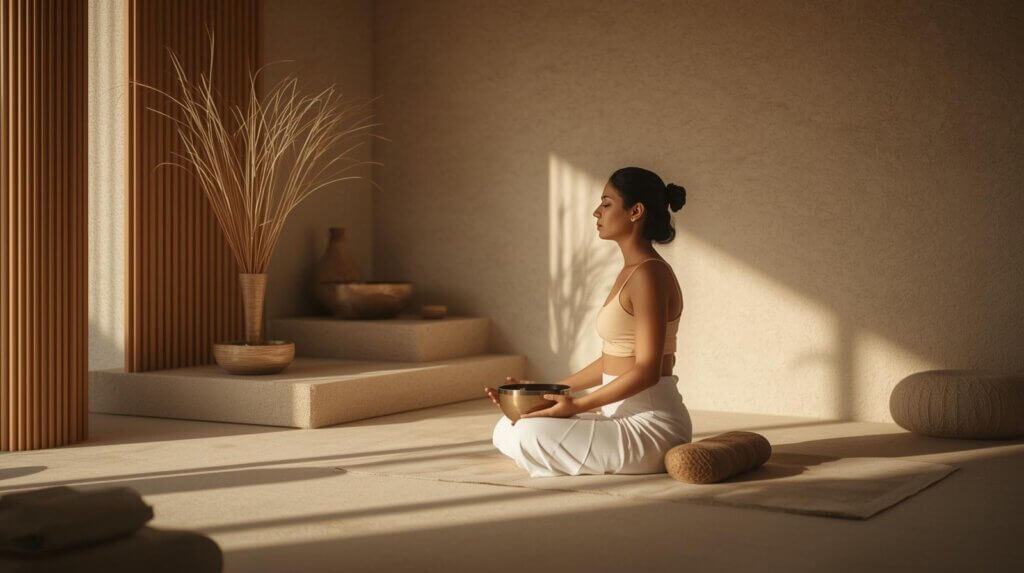
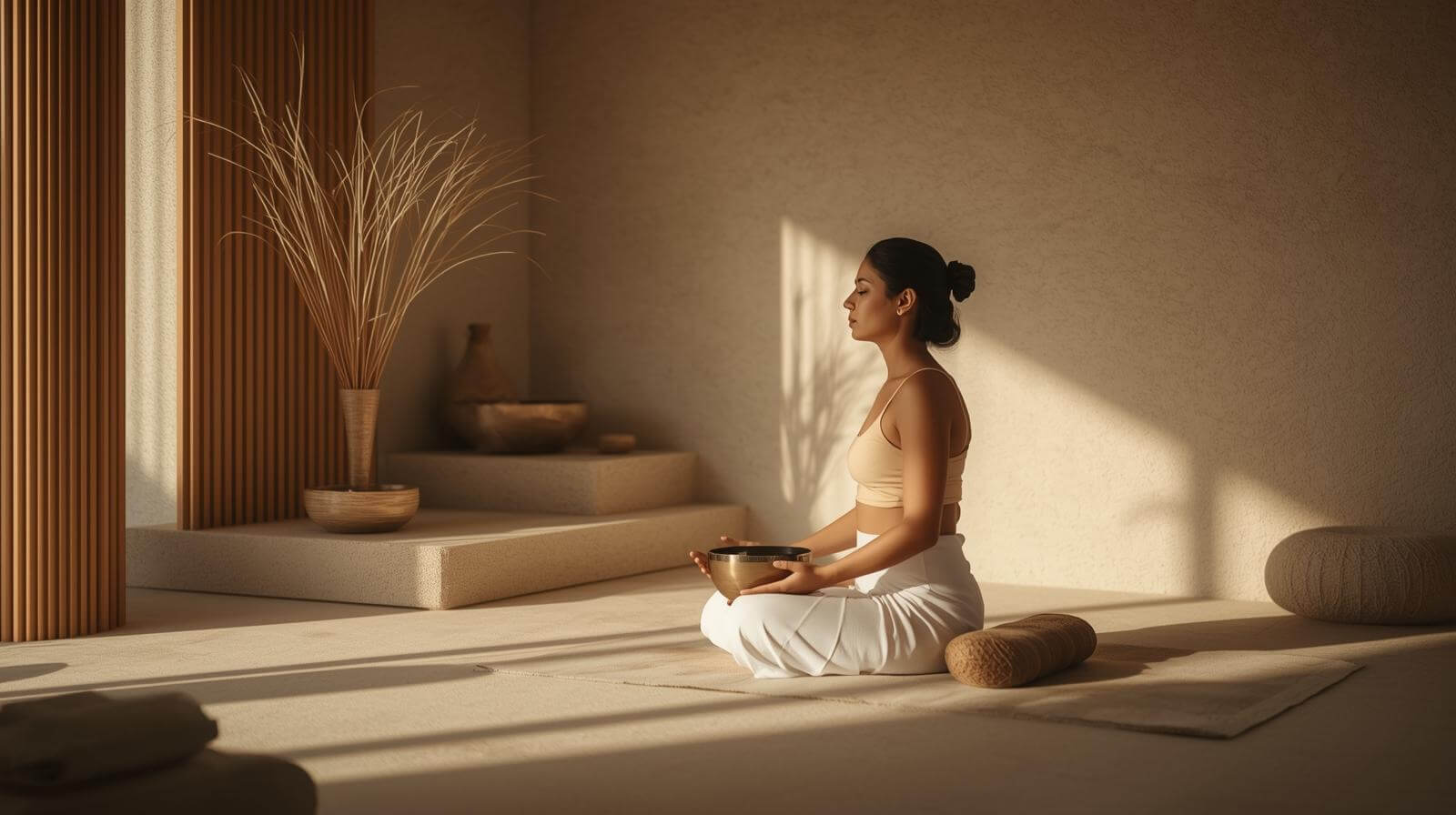
Singing bowls remain central to Sound Therapy because they combine vibration, tone, and simplicity. Their sustained resonance makes them especially effective for relaxation and meditation.
Key considerations:
Larger bowls = deeper, grounding tones
Smaller bowls = more focused sound
Proper mallet choice affects vibration
Handpan Drums — Rhythmic Sound Therapy for Emotional Flow
Handpans bring melody and rhythm into Sound Therapy, supporting emotional expression and group connection. Their intuitive layout makes them accessible even to non-musicians.
In a group therapy setting in Barcelona, facilitators observed that participants engaged more openly during handpan sessions, using rhythm to release emotional tension.
Handpans are ideal for:
Creative exploration
Group meditation
Emotional grounding
Wind Chimes and Ambient Sound Tools for Daily Sound Therapy
Not all sound therapy requires active participation. Wind chimes offer passive, environmental Sound Therapy, subtly influencing mood throughout the day.
Best practices include:
Placing chimes where wind is moderate
Choosing softer, tuned tones
Avoiding constant or loud resonance
How to Choose the Right Sound Therapy Tools in 2026
Choosing Sound Therapy Tools Based on Your Goals
Selecting tools becomes easier when guided by intention. In Sound Therapy, purpose matters more than quantity.
Goal-based matching:
Stress relief: Sustained, low-frequency sounds
Sleep: Soft, predictable tones
Meditation: Clear, resonant instruments
Creative flow: Rhythmic, melodic tools
What to Look for in Quality Sound Therapy Instruments
Quality directly affects experience. Well-crafted sound healing instruments offer consistency, resonance, and longevity.
Key quality indicators:
Natural, durable materials
Balanced tone without harsh overtones
Consistent sustain and vibration
Frequently Asked Questions About Sound Therapy
What is sound therapy and how does it work?
Sound therapy is a wellness practice that uses intentional sound—such as tones, rhythm, and vibration—to support relaxation, emotional balance, and mental clarity. In simple terms, Sound Therapy works by giving the nervous system something predictable and non-threatening to respond to, allowing the body to shift out of chronic “fight-or-flight” mode.
Sound therapy works through several overlapping mechanisms:
Auditory rhythm, which stabilizes internal pacing (breath, pulse)
Vibration, which provides physical sensory input beyond thought
Focused listening, which reduces mental rumination
A useful tip for beginners is to focus on how the body feels rather than trying to “understand” the sound intellectually.
Can sound therapy really reduce stress and anxiety?
Many people turn to sound therapy because stress feels constant and invisible—and yes, evidence and experience suggest it can help. Sound Therapy does not eliminate stressors, but it supports the body’s ability to recover from them.
Why sound therapy helps with stress:
It bypasses cognitive overload by working through the senses
It encourages slower breathing without conscious effort
It provides emotional grounding during overwhelm
Is sound therapy safe for everyone?
For most people, sound therapy is gentle and well tolerated, but it is not entirely one-size-fits-all. Sound Therapy is considered safe when practiced responsibly, yet certain individuals may need to proceed with extra care.
Extra caution is advised for:
People with tinnitus or hearing aids
Individuals with strong sensory sensitivities
Those processing intense emotional or trauma-related material
What is the best sound therapy tool for beginners?
For beginners, the best sound therapy tool is one that feels simple, calming, and unintimidating. In most cases, practitioners recommend starting with a single, versatile instrument rather than multiple tools. Sound Therapy is most effective when practice is consistent, not complex.
Beginner-friendly options include:
Singing bowls with long, stable sustain
Gentle wind chimes for passive listening
Simple rhythmic instruments for grounding
H3: How often should I practice sound therapy?
Consistency matters more than duration. Most practitioners agree that Sound Therapy works best when practiced regularly, even in short sessions. Daily exposure helps train the nervous system to recognize sound as a cue for relaxation.
General guidelines:
Daily: 5–15 minutes for maintenance
High stress periods: short sessions twice a day
Group sessions: once weekly for deeper immersion
Can I do sound therapy at home without professional training?
Yes—one of the strengths of sound therapy is accessibility. Sound Therapy does not require formal certification when practiced for personal wellness. Many people successfully integrate it into daily life using simple tools and clear intention.
A freelance writer in Dublin shared that she began with no prior experience, using a bowl for short evening sessions. Over time, the practice became intuitive, supporting relaxation and creative focus.
To practice safely at home:
Keep sessions brief and gentle
Use one sound source at a time
Focus on listening, not performance
Conclusion: Why Sound Therapy Matters More Than Ever in 2026
In 2026, sound therapy is no longer a fringe wellness trend—it is a practical response to a world defined by noise, speed, and mental fatigue. As a lifestyle practice, Sound Therapy offers something increasingly rare: a way to slow down without effort, screens, or constant instruction.
As interest in mindful living continues to grow, sound therapy naturally connects with meditation, sound healing traditions, and holistic wellness routines. Exploring tools that resonate with your lifestyle is often the first step toward a more balanced daily rhythm.
If you’re curious about integrating sound therapy into your personal practice, wellness space, or professional setting, we invite you to explore thoughtfully crafted sound healing instruments designed for modern life.
Contact Us to learn more or discuss your needs