
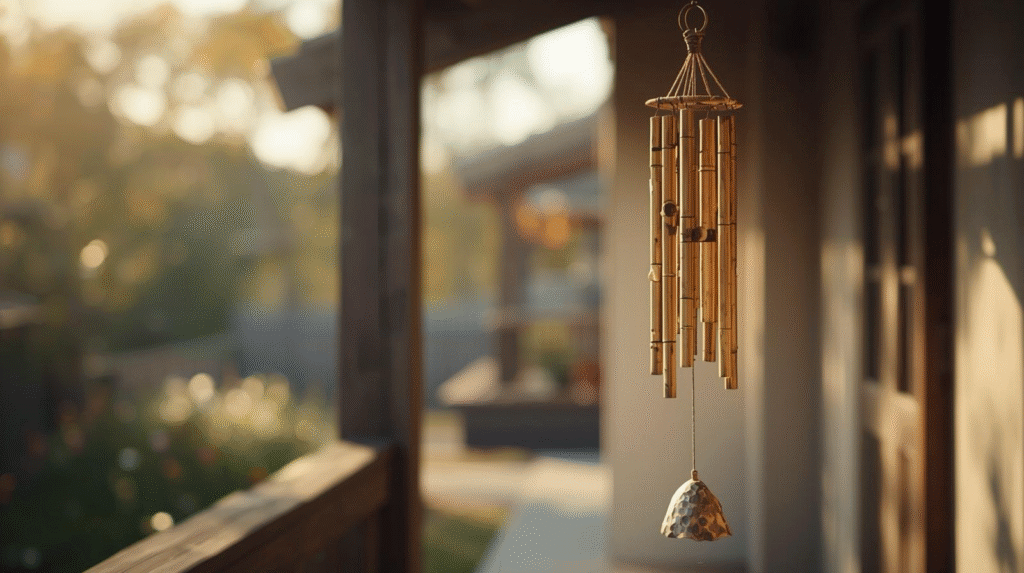

What Is a Windbell Chime—and Why Its Sound Matters More Than You Think
Most people choose a windbell chime by how it looks, only to realize later that the sound feels distracting, sharp, or even tiring over time. This happens because a windbell chime isn’t just a decorative object—it’s an ongoing sound presence that interacts with your space and nervous system. Understanding what sets it apart helps you avoid a surprisingly common mistake: choosing something visually pleasing but acoustically uncomfortable.
Windbell Chime vs. Wind Chime: Are They the Same?
Although often used interchangeably, windbell chime usually refers to chimes designed with intentional sound quality, inspired by traditional wind bells used in temples and homes across East Asia. These were created for listening, not decoration.
Key differences in practice
-
Wind chime (general use)
-
Design-first, sound-second
-
Often brighter, more random tones
-
Decorative outdoor focus
-
-
Windbell chime
-
Sound-first, form supports resonance
-
Softer, more controlled tones
-
Used for calm, awareness, or atmosphere
-
A real-world example comes from a small meditation studio that replaced a visually striking metal chime with a simpler bamboo windbell chime. Although less eye-catching, members reported feeling less distracted during sessions—showing that sound quality often outweighs appearance.
Practical tip:
If product descriptions focus heavily on color or shape but say little about tone or tuning, the sound may be an afterthought.
Research in environmental psychology shows that high-frequency, unpredictable sounds increase cognitive fatigue, while softer harmonic sounds support relaxation. This is why sound—not appearance—is the true core value.
Once you recognize this difference, it becomes easier to understand how sound directly affects mood and space.
How Windbell Chime Sound Affects Mood and Space
A windbell chime subtly shapes how a space feels by creating a background soundscape the brain continuously processes. Even when you’re not consciously listening, your nervous system is responding.
How sound works on the body
-
Vibration: lower tones promote grounding
-
Resonance: harmonious tones reduce mental tension
-
Predictability: gentle patterns signal safety
Studies in psychoacoustics suggest that lower-frequency, harmonically related sounds are associated with parasympathetic activation—the body’s relaxation response. This explains why many people associate windbell chime meaning with calm and mindfulness rather than stimulation.
A homeowner once shared that replacing an untuned metal chime near their window with a softer windbell chime noticeably reduced afternoon irritability. This kind of experience aligns with broader findings on sound and stress perception.
Practical tip:
Listen to a windbell chime for five minutes with your eyes closed. If your breathing slows naturally, the sound suits your space.
Understanding how sound influences mood leads naturally to the next step: choosing the right windbell chime for your specific intention.
How to Choose a Windbell Chime That Sounds Good (for You and Your Space)
There is no universally “best” windbell chime—only one that fits your intention, environment, and tolerance for sound. Successful choices begin by defining what you want to feel in a space, then selecting materials and size that support that goal.
Start with Intention: What Feeling Do You Want?
Different intentions call for different sound characteristics. Clarifying this early prevents many disappointing purchases.
| Intention | Sound Characteristics | Recommendation |
|---|---|---|
| Sleep & Rest | Deep, slow, minimal strikes | Long tubes, bamboo or tuned metal |
| Meditation | Soft, harmonically tuned | Tuned windbell chime, low randomness |
| Garden Ambience | Natural, balanced movement | Medium-length, responsive design |
People searching for best wind chimes for sleep often overlook wind exposure. A chime that sounds gentle in a store may become overstimulating in a breezy location.
Practical tip:
Match intention with wind conditions—strong wind requires heavier, slower-moving chimes.
Soundscape studies show that environments designed for rest perform best with fewer sound events per minute, reinforcing the value of intention-led selection.
Once intention is clear, material choice becomes the next major factor.
Material Matters: How Different Materials Change the Sound
Material determines how vibration travels and fades, making it one of the most important sound decisions.
| Material | Sound Quality | Best Use |
|---|---|---|
| Bamboo | Warm, short sustain | Bedrooms, meditation |
| Metal (aluminum) | Clear, long sustain | Outdoor, entryways |
| Glass/Ceramic | Light, bright accents | Decorative, low-wind |
In one case, a yoga studio replaced metal chimes with bamboo windbell chimes after students reported feeling rushed upon arrival. Post-change feedback showed improved calmness before classes.
Practical tip:
If your space echoes easily, choose materials with shorter sustain.
Material naturally leads into the question of size and structure.
Size, Length, and Tube Count: Why Bigger Isn’t Always Better
A common misconception is that larger windbell chimes sound better. In reality, size affects pitch, not quality.
Key principles
-
Longer tubes → lower, calmer tones
-
Shorter tubes → higher, sharper tones
-
More tubes → richer texture, less predictability
For apartments, fewer tubes with longer lengths often produce a more neighbor-friendly sound. Research shows people tolerate low-frequency sounds better than frequent high-pitched ones, even at similar volumes.
Practical tip:
Check total chime length and tube count—not just visual size—before buying.
With size and material understood, you’re now ready to explore tuning, placement, and deeper meaning—topics we’ll move into next.
Understanding Windbell Chime Sound: Tuned, Untuned, and Frequency Myths
Many people assume that a better windbell chime simply means a “nicer sound,” but sound quality is shaped by design choices that are rarely explained clearly online. Terms like tuned, untuned, or 432 Hz are often used without context, which can confuse buyers rather than help them. Understanding what these concepts actually mean—without mysticism or overpromising—allows you to choose a windbell chime that genuinely fits your listening preferences and space.
Tuned vs. Untuned Windbell Chimes
A tuned windbell chime means that each tube or sounding element has been cut and adjusted to produce specific musical notes that work together harmonically. In contrast, an untuned chime produces more random intervals, closer to natural clattering than music.
What “tuned” really means in practice
-
Tubes are matched to a musical scale
-
Notes are intentionally harmonious
-
The sound feels coherent rather than chaotic
Most tuned windbell chimes use a pentatonic scale, a five-note scale found in many cultures. It works well because:
-
There are no harsh dissonant intervals
-
Notes sound pleasant in almost any order
-
The ear doesn’t need musical training to enjoy it
This is why pentatonic tuning is common in meditation spaces and why many people find tuned chimes easier to live with long-term.
When untuned chimes are preferable
Untuned windbell chimes are not “worse”—they simply serve different purposes:
-
Decorative outdoor gardens
-
Playful, lively environments
-
Spaces where randomness feels natural
A real-life example comes from a café owner who replaced a tuned chime near an open doorway with an untuned one because the predictable melody felt repetitive in a busy social space.
Practical tip:
If you’re sensitive to sound or plan to hang the chime near living areas, start with tuned designs. Untuned chimes work best where sound is occasional, not constant.
Once tuning is understood, many people begin asking about frequency numbers—an area where clarity matters even more.
432 Hz, 528 Hz, and Sound Healing Claims—What to Know
Search results for 432 Hz wind chime or sound healing wind chime often promise emotional or physical benefits without explaining what those numbers actually represent. In reality, frequency refers to the pitch standard used to tune a note—not a guarantee of a specific outcome.
Why frequency is often misunderstood
-
A windbell chime produces multiple frequencies, not just one
-
Wind-driven sound is dynamic, not fixed like a tuning fork
-
Pitch numbers don’t account for rhythm, resonance, or context
Scientific research on sound therapy emphasizes that how a sound is perceived matters more than its numeric frequency. Volume, spacing between strikes, and timbre all influence whether a sound feels calming or irritating.
What experienced listeners focus on instead
-
Does the sound feel gentle or sharp?
-
Does it fade naturally or linger too long?
-
Does it suit the environment and wind conditions?
Ethical framing matters:
Windbell chimes can support relaxation and mindfulness, but they should not be presented as medical tools. Responsible makers describe emotional or atmospheric effects without making health claims.
Practical tip:
Trust your ears before trusting numbers. If a windbell chime labeled “432 Hz” feels stressful in your space, it’s not the right choice—regardless of the label.
Understanding sound quality leads naturally to the next crucial question: where the chime should actually be placed.
Where to Hang a Windbell Chime (and Where Not To)
Even a well-chosen windbell chime can become unpleasant if it’s placed incorrectly. Sound is shaped as much by location and airflow as by design, which is why placement is one of the most common sources of dissatisfaction.
Best Locations Based on Airflow and Sound Control
The goal is to allow movement without overstimulation. Ideal placement balances airflow, distance, and listening range.
Recommended locations
-
Porches: steady airflow, natural sound breaks
-
Balconies: controlled exposure, good for apartments
-
Near windows (outside): indirect listening indoors
-
Gardens: space allows sound to dissipate
Placement tips
-
Hang at ear level or slightly above
-
Keep at least 30–50 cm from walls
-
Avoid corners that amplify sound
A homeowner once moved their windbell chime just 40 cm farther from a wall and immediately noticed a softer, less echoing sound—an easy fix with big impact.
Practical tip:
If a chime sounds too loud, first change location before changing the chime itself.
This practical approach to where to hang windbell chime and wind chime placement prevents many avoidable issues.
Places to Avoid (Bedrooms, Neighbors, and Harsh Wind Zones)
Some locations are problematic regardless of how beautiful the chime is.
Places to avoid
-
Directly outside bedrooms: intermittent sound disrupts sleep cycles
-
Narrow corridors: amplify sharp frequencies
-
High-wind corners: cause constant striking
Apartment living requires additional consideration:
-
Be mindful of shared walls
-
Choose heavier chimes with slower response
-
Reduce wind sail size if needed
Research on sleep environments shows that intermittent noise is more disruptive than continuous noise, which explains why wind-driven sound near sleeping areas often causes fatigue.
Simple volume-control techniques
-
Shorten the wind sail
-
Add soft spacers between tubes
-
Relocate to gentler airflow
Once placement is optimized, many people begin to explore the deeper cultural meaning behind windbell chimes.
Windbell Chime Meaning and Feng Shui Placement Explained Simply
Beyond sound and placement, windbell chimes carry symbolic meaning rooted in tradition. Understanding this layer adds emotional depth without requiring belief in superstition.
Traditional Symbolism and Cultural Meaning
Historically, windbells were used as:
-
Protective markers
-
Tools for mindfulness
-
Signals of seasonal change
Rather than decoration, they acted as reminders to pause and listen. Today, windbell chime meaning often centers on:
-
Emotional grounding
-
Gentle awareness
-
Creating intentional atmosphere
A client once described their windbell chime as “a pause button for the day”—a modern expression of an old idea.
Practical tip:
Meaning emerges from interaction. If a chime encourages awareness or calm, it’s fulfilling its purpose.
Feng Shui Rules: Material, Direction, and Rod Count
Feng Shui focuses on balance rather than rigid rules. The most common guidelines are simple.
| Element | Recommendation |
|---|---|
| Material | Metal for West/North, Bamboo for East/Southeast |
| Entrance | Gentle sound, avoid overstimulation |
| Avoid | Directly above beds or in narrow halls |
Key Feng Shui principle:
Sound should circulate energy, not dominate it.
Used thoughtfully, Feng Shui wind chime placement supports harmony rather than superstition.
With sound, placement, and meaning now clear, the final step is learning how to care for and live with your windbell chime over time—something we’ll explore next.
How to Care for and Maintain Your Windbell Chime
A well-made windbell chime can last for years, even decades, but only if it’s cared for with the same attention given to its sound. Maintenance isn’t about perfection—it’s about preserving tone, preventing damage, and ensuring the chime continues to sound pleasant rather than harsh or dull. The good news is that basic care requires little time and makes a noticeable difference.
Cleaning and Weather Protection Tips
Exposure to wind, rain, sun, and pollution slowly alters how a windbell chime sounds. Dirt buildup and material fatigue can shorten sustain, change pitch, or introduce unwanted noise.
Common risks and how to prevent them
-
Rust (metal chimes):
-
Wipe monthly with a dry cloth
-
Apply light rust-inhibitor once or twice a year
-
-
Mold or cracking (bamboo/wood):
-
Keep out of constant rain
-
Use natural wood oil seasonally
-
-
UV damage (all materials):
-
Avoid full sun exposure year-round
-
Rotate placement if possible
-
Seasonal maintenance checklist
-
Spring: clean dust, check hanging cords
-
Summer: watch for UV fading, tighten joints
-
Autumn: remove leaves/debris
-
Winter: consider indoor storage in harsh climates
A homeowner I worked with noticed their windbell chime sounded “flat” after a year outdoors. After a simple cleaning and relocating it slightly away from rain exposure, the tone noticeably recovered.
Practical tip:
If the sound changes, clean before replacing. Many issues are maintenance-related, not structural.
Proper care also helps with another common concern—excessive volume.
How to Adjust or Quiet a Windbell Chime
One of the most searched frustrations is wind chime too loud. Fortunately, volume control is often easier than expected and doesn’t require removing the chime.
Effective ways to quiet windbell chimes
-
Adjust wind sail size
-
Shorten or narrow the sail
-
Less surface area = fewer strikes
-
-
Increase tube spacing slightly
-
Reduces collision frequency
-
-
Temporary dampening methods
-
Add soft spacers
-
Use removable felt or rubber rings
-
These techniques are especially useful for people seeking quiet wind chimes in apartments or shared living spaces.
Research on noise perception shows that people tolerate lower-frequency, less frequent sounds far better than constant intermittent strikes—so slowing movement often works better than muting volume.
Practical tip:
Always try adjustment before relocation or replacement. Small changes can dramatically improve comfort.
With maintenance and sound control covered, many readers still have quick, practical questions—let’s address those directly.
FAQ: Common Questions About Windbell Chimes
1. What is the best windbell chime for relaxation or sleep?
The best windbell chime for relaxation uses:
-
Longer tubes
-
Fewer strikes per minute
-
Bamboo or tuned metal materials
Avoid bright, short, or highly reactive designs near sleeping areas.
2. Are tuned windbell chimes better than untuned ones?
Not always. Tuned windbell chimes are:
-
More predictable
-
Easier to live with long-term
Untuned chimes work well in:
-
Gardens
-
Social spaces
-
Areas with occasional listening
Choose based on use, not labels.
3. Can I use a windbell chime in an apartment?
Yes, if chosen carefully:
-
Use fewer, longer tubes
-
Avoid direct bedroom placement
-
Adjust wind sail size
Many apartment users successfully enjoy windbell chimes with minor adjustments.
4. How do I stop my windbell chime from being too loud?
Try this order:
-
Reduce wind sail size
-
Change location
-
Add soft dampeners
Replacement should be the last step.
5. Does windbell chime placement really affect energy flow?
From both acoustic and Feng Shui perspectives, placement matters:
-
Sound interacts with walls, wind, and movement
-
Poor placement amplifies tension
-
Thoughtful placement supports balance
This isn’t superstition—it’s sound physics and perception.
A windbell chime is at its best when its sound feels natural in your space—neither distracting nor demanding attention. By choosing the right sound, placement, and material, a windbell chime can quietly support relaxation, awareness, and a sense of balance in everyday life.
If you’d like help selecting or designing a windbell chime that truly fits your environment, you’re welcome to reach out for personalized guidance.
Contact us
We’re happy to help you find a windbell chime that doesn’t just hang beautifully—but sounds right for you.